Little Rockers
An evidence-based early-childhood music journey, sequenced across three age bands, plus Music and Movement: co-curricular classes inside your day, classroom by classroom. Built for daycares, Montessori programs, and community centre family programming.
Music and Movement, room by room.
Our co-curricular Little Rockers program brings a weekly music class to every classroom in your school, during the school day.
- 01
Inside your day.
One teacher arrives at the same time each week and runs a short class in each classroom, back to back. No buses, no sign-ups, no change to your routine.
- 02
Every child, every week.
Each class is 20 to 30 minutes, sized to the room. Children sing, keep a steady beat on hand percussion, move, and take turns playing as a group.
- 03
We bring the instruments.
A hand-percussion kit comes with the program: shakers, drums, tambourines and more, chosen for small hands.
- 04
The start of a pathway.
Children learn music the way they learn to talk: listening, copying, then joining in. Music and Movement leads into Junior Jammers in kindergarten and ukulele in Grade 1.
We teach music the way you learned your first language.
Our brains process music much like language. You spoke your first language for years before you read or wrote it, and nobody handed you a grammar book first. We teach music in the same order: play first, read later, so kids make real music from the very first class.
Memorise a script
Like an actor learning lines in a language they don't speak: every note is right, but nothing is understood. Students read and repeat, and many stop before they ever play a song they love.
- Reading notation from week one
- Memorisation without understanding
- No way to hold a conversation
Hold a conversation
Learned like a first language, music becomes something students can speak. They listen, copy, play and improvise long before they read, and the reading makes sense when it comes.
- Play in a band
- Play songs from the radio by ear
- Write and produce their own music
Repertoire, technique, reading and ear training still matter. We add what traditional lessons leave out: composition, improvisation, applied theory and music technology.
- 01 · Birth – 18 months
Listening
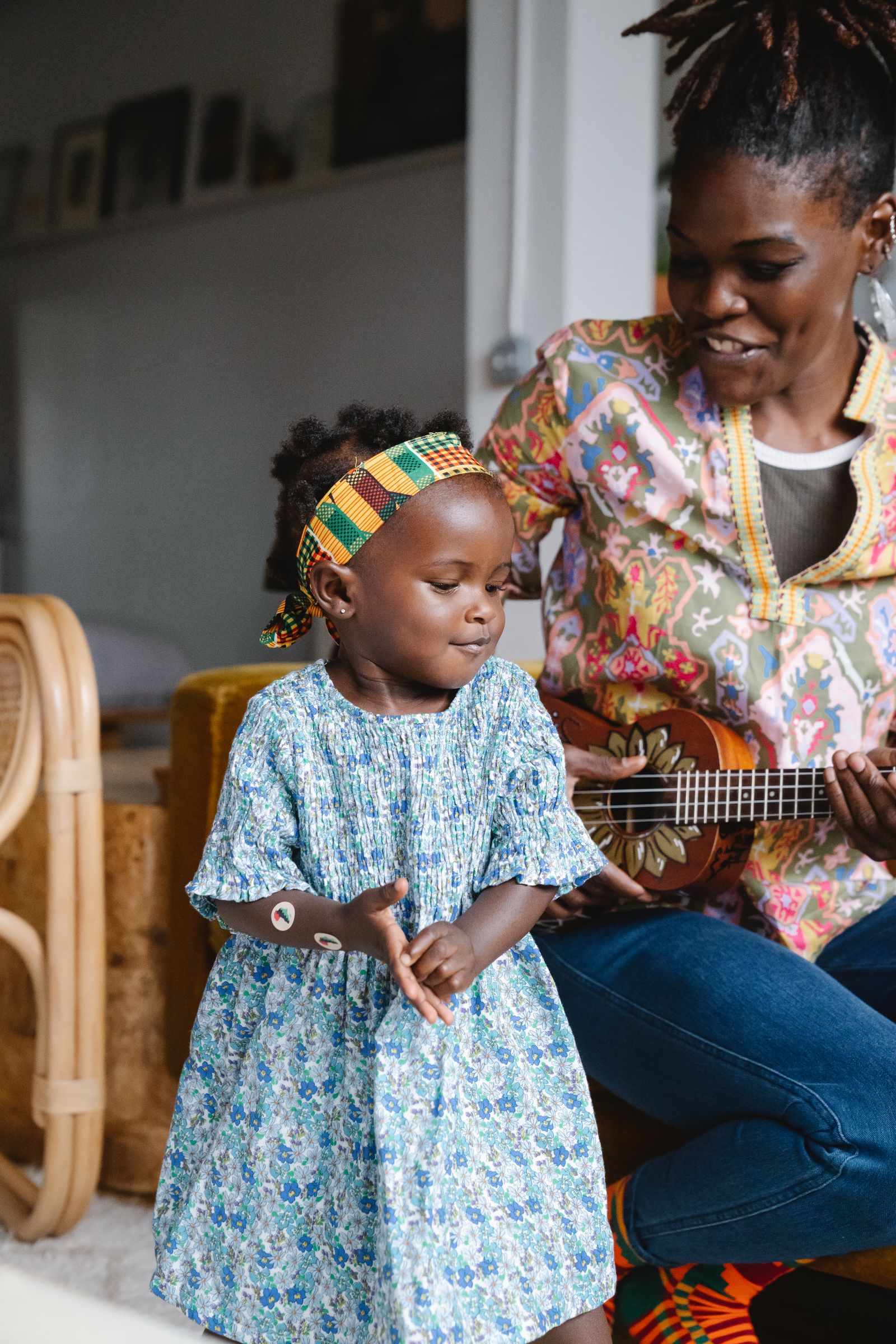
LanguageInfants learn to speak by simply listening to the people around them.
MusicSongs, rhymes and musical games with a caregiver. Children soak up the sounds of music before they make any.
- 02 · 18 months – Kindergarten
Approximation
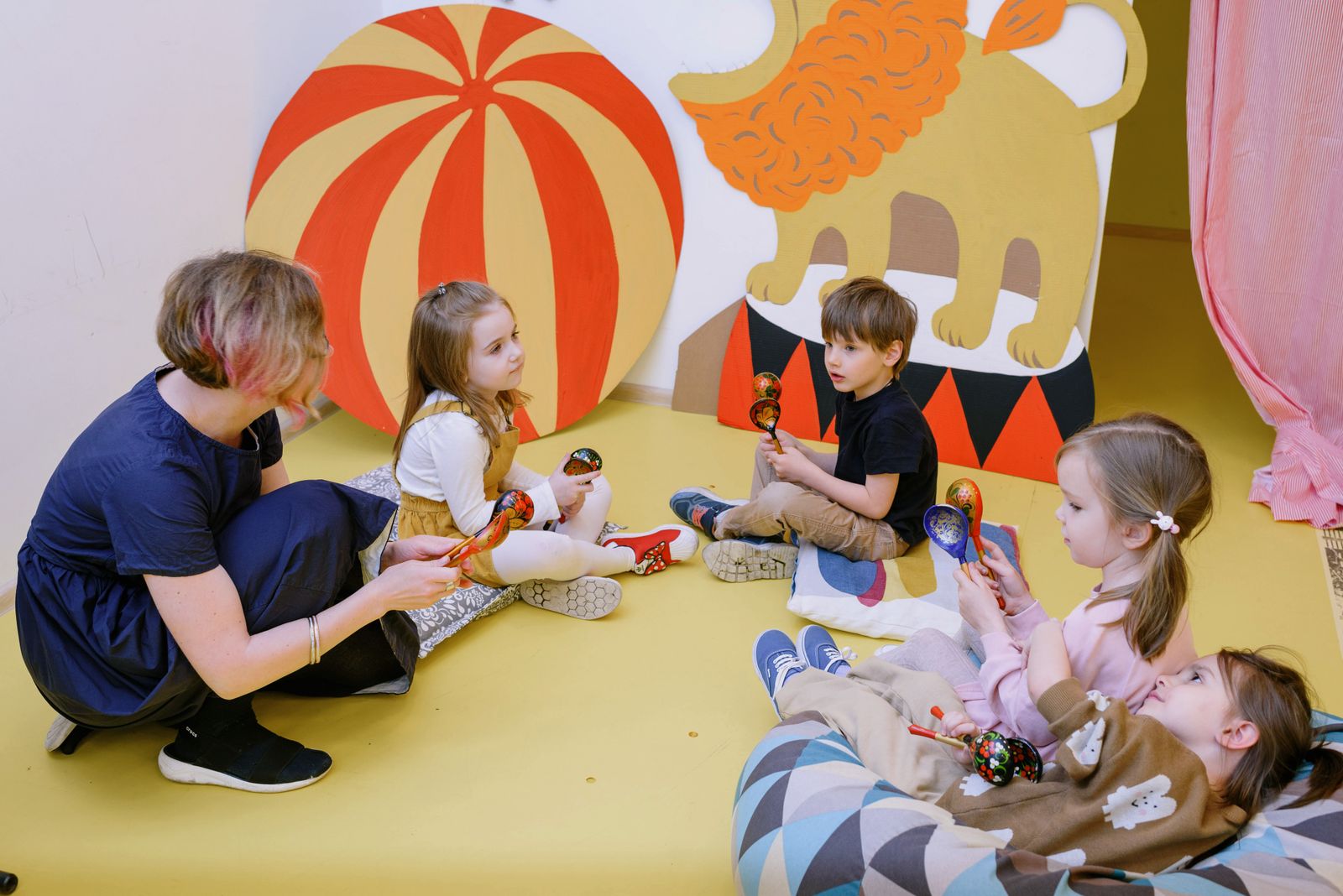
LanguageBabies babble, and adults babble back. Mistakes are part of how speech begins.
MusicChildren copy a beat, sing along and take turns on percussion. We welcome the messy first tries, because that's how music begins too.
- 03 · Grades 1 – 6
Intermediate fluency
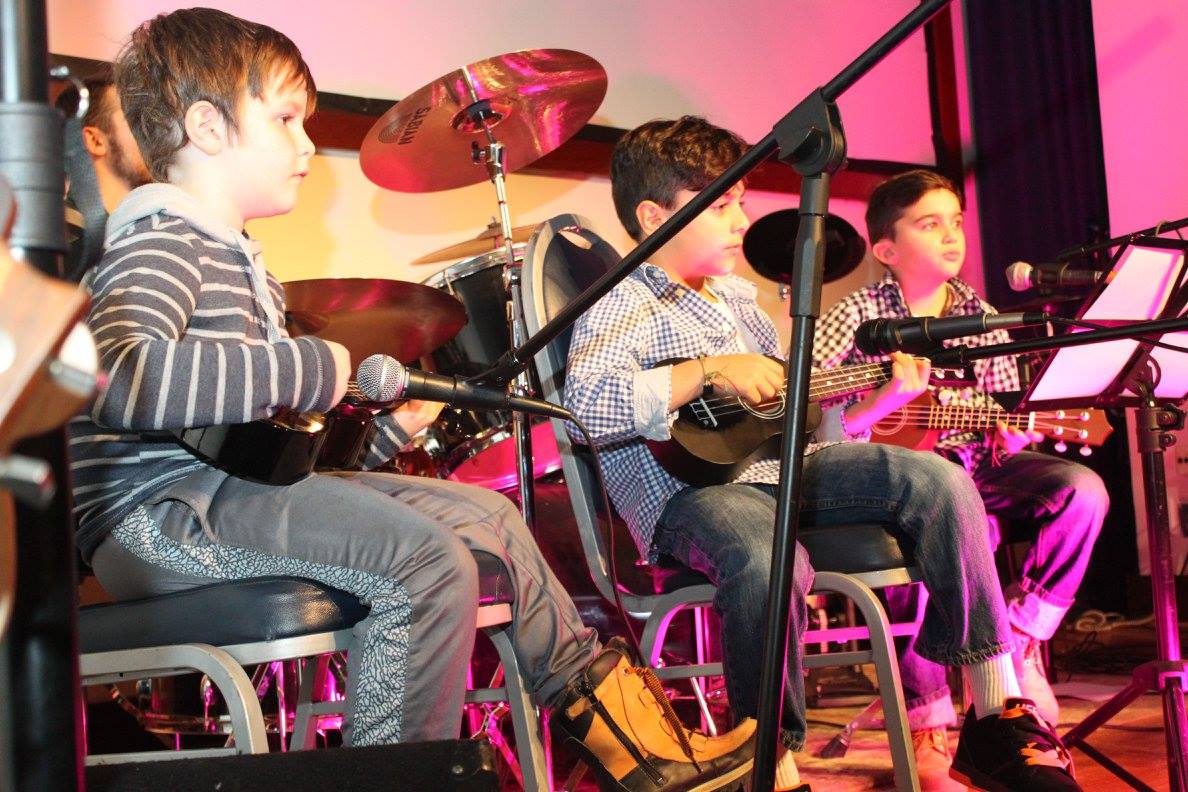
LanguageWords become sentences, and children use language to get things done.
MusicStudents play whole songs from the first week, on ukulele and then guitar: chord "shapes", strumming and riffs, learned by playing, not by reading.
- 04 · Grades 7 – 8
Fluency
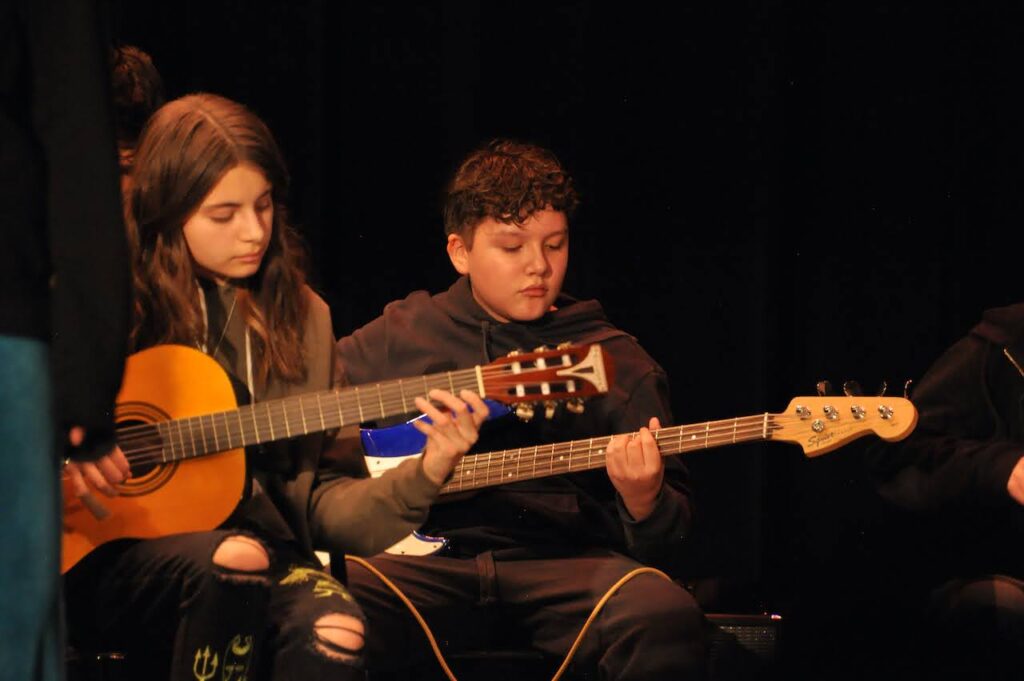
LanguageNative-like proficiency: children express themselves freely.
MusicA full Modern Band on guitar, bass, drums, keys and voice. Students improvise, arrange and write their own songs together.
- 05 · Grades 9 – 12
Reading and writing
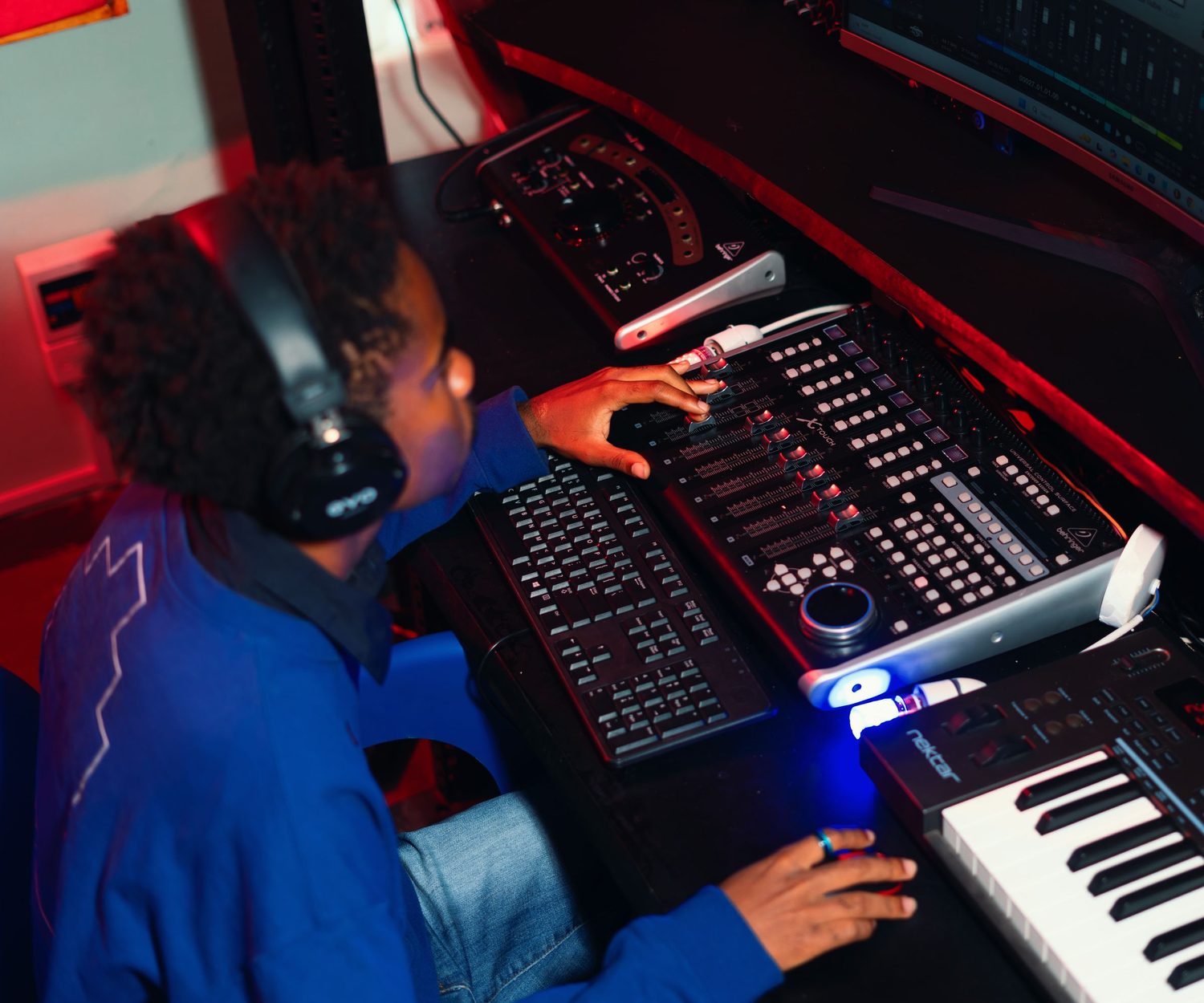
LanguageFluent speakers learn to read, and to put their own thoughts into writing.
MusicStudents become authors. They write, record, produce and release their own music in a digital audio workstation, and read and notate it with real context.
Ideally a child has the opportunity to ‘speak’ or ‘play’ music for a few years before they are introduced to the written system.
Baby Bop
Ages 3 months – 1.5 yearsThere's no such thing as too early to start a musical journey.
InfantsTiny Tunes
Ages 1.5 – 3.5 yearsDive deeper into cognitive, social, and musical development through engaging songs and games.
Toddlers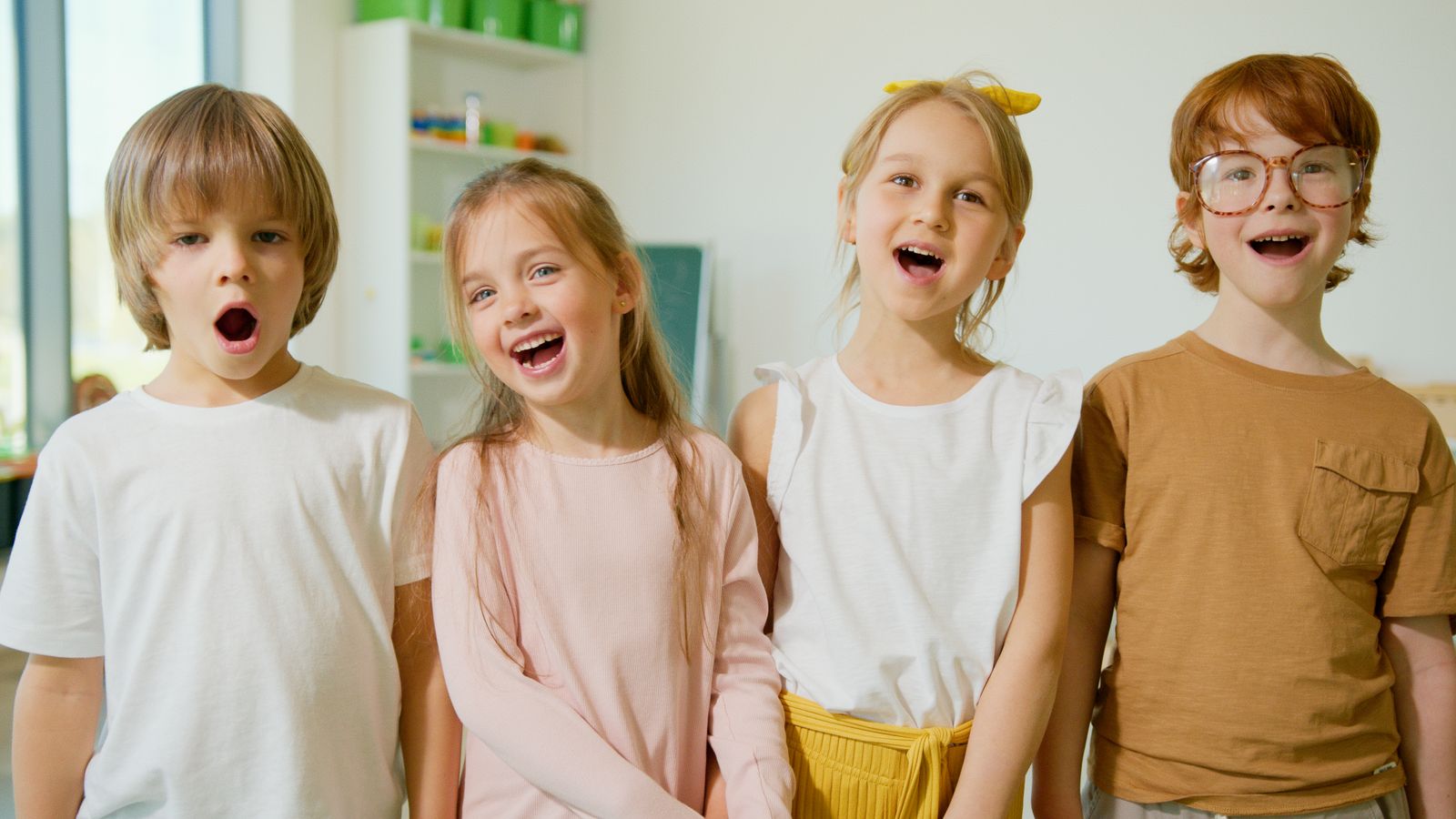
Junior Jam
Ages 3.5 – 5.5 yearsThe final stage of our Little Rockers program — singing in tune and keeping a beat together.
Children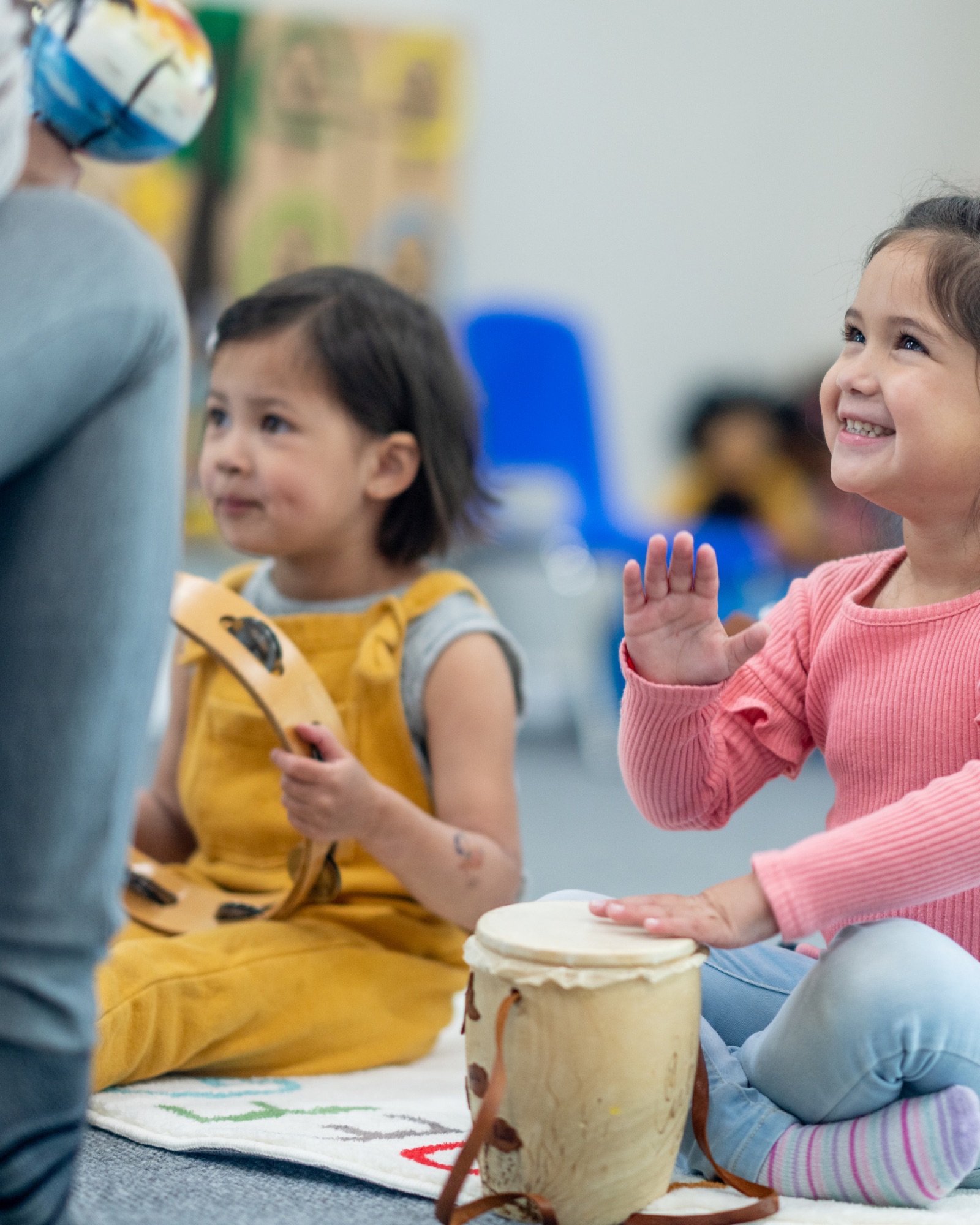
Music and Movement
Co-curricular · Ages 2.5 – 6Music class inside your day: one teacher visits each week and moves classroom to classroom.
ToddlersChildren